

Understanding the True Cost of Ownership
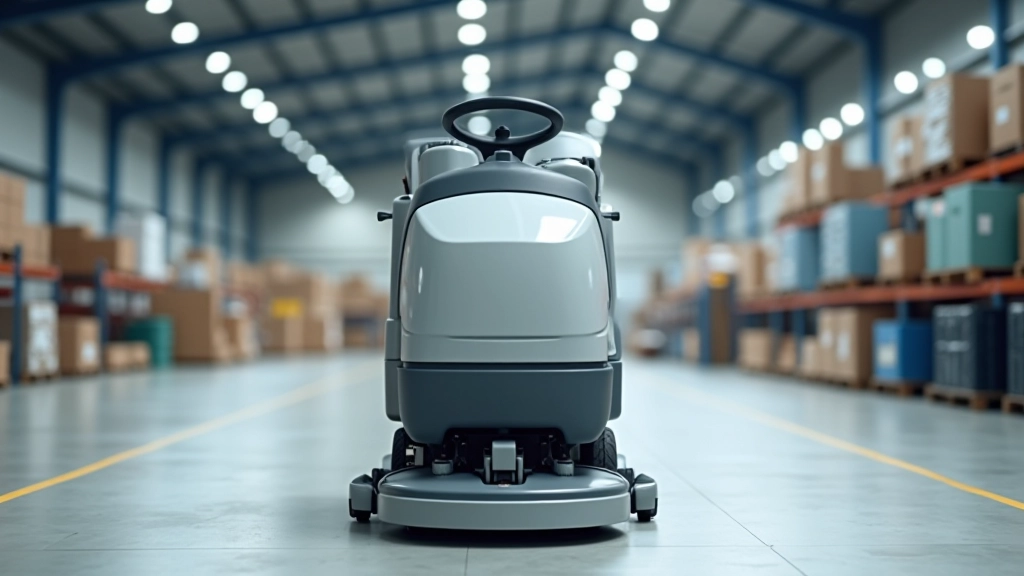
Here's what most people get wrong: they look at the purchase price and stop. A floor scrubber costs $8,000. A carpet extractor runs $6,500. So naturally, you think leasing at $300 or $400 per month seems expensive. But that's not how costs actually work.
When you buy, you're paying for more than the machine itself. You're paying for what happens after the purchase. Maintenance contracts run 10-15% of the equipment cost annually. Parts replacement isn't cheap — a brush deck for a ride-on scrubber costs $800-1,200. Repairs happen. Downtime costs money. And in 5-7 years, you've got obsolete equipment that's worth maybe 10-15% of what you paid.
That's why you need to calculate the total cost of ownership, not just the sticker price. Add the purchase price, multiply maintenance by the years you'll own it, factor in repairs (conservatively, assume 2-3 service calls per year at $150-300 each), and subtract the salvage value. That number? It's often higher than people expect.

What Leasing Actually Gives You
Leasing flips the script. You're paying a fixed monthly amount. That's it. No surprises. Most lease agreements include maintenance and repairs. If something breaks, you call the lessor. They fix it or swap the unit. No downtime stress. No repair bills. No salvage value headaches because it's not your problem.
There's also the upgrade factor. Technology in cleaning equipment moves faster than most people realize. Brush systems improve. Motor efficiency increases. Noise reduction matters when you're cleaning during operating hours. With leasing, you're not stuck with five-year-old equipment. You can upgrade to newer models when your lease ends. That matters more than people think, especially if your facility's needs change.
And there's tax treatment. Lease payments are often fully deductible as a business expense. Ownership depreciation is more complex — you get a deduction over years, not all upfront. Your accountant will have opinions about this, but it's worth exploring with them.
Lease vs. Buy: The Numbers Side by Side
Let's use a real example. A ride-on floor scrubber that costs $12,000 to purchase.
Buying
- Purchase price: $12,000
- Annual maintenance: $1,200
- 5 years maintenance: $6,000
- Repairs (3 calls/year): $2,250
- Salvage value: -$1,500
- Total 5-year cost: $19,950
Leasing
- Monthly lease: $350
- 60 months: $21,000
- Maintenance: included
- Repairs: included
- Upgrades: available
- Total 5-year cost: $21,000
In this scenario, buying saves $1,050 over five years. But here's what that doesn't show: you own aging equipment. You manage repairs. You're stuck if you need to upgrade. The lease option gives you flexibility and peace of mind. Sometimes that's worth more than $200 per year.
When Buying Makes Sense
You should buy equipment when:
- You'll keep it long-term. If you'll use the same equipment for 8+ years, ownership becomes more cost-effective. The earlier years carry most of the cost. Years 6-8 are nearly free.
- Your facility is stable. You know exactly what you need. Your cleaning processes won't change. You're confident in your requirements.
- You can handle maintenance. You've got in-house technical staff or trusted repair partners. You're comfortable managing upkeep.
- Equipment needs are simple. Standard floor scrubbers, basic carpet extractors, straightforward tools. Less complexity means fewer surprises.
- You have capital available. The upfront cost isn't going to strain your budget or tie up cash flow.
When Leasing Makes Sense
You should lease equipment when:
- You want predictable costs. No repair surprises. No hidden maintenance bills. You know exactly what you're spending each month.
- Your needs might change. Growing facility. Shifting cleaning standards. Technology improvements coming. Leasing lets you adapt without being stuck.
- Downtime is expensive. If your facility can't operate without certain equipment, having it maintained by professionals matters. Lessor guarantees uptime.
- You've got limited capital. Preserve cash flow. Keep capital for core operations. Lease payments are smaller monthly amounts.
- You want latest equipment. Upgrade cycles every few years. New technology, improved efficiency, better ergonomics. Leasing gives you that option.
- Tax advantages apply. Full monthly deduction as operating expense. Talk to your accountant about your specific situation.
Five Hidden Factors You Can't Ignore
Beyond the basic cost comparison, these factors shift the decision:
1. Storage and Space
Owned equipment needs to live somewhere. If you're in a tight facility or leased building, storage costs add up. Lessors handle that. One less thing to worry about.
2. Operator Training
New equipment requires trained staff. Leasing companies often provide training. That's time saved. That's fewer mistakes. That's better results faster.
3. Environmental Compliance
Regulations change. Equipment standards evolve. Leasing keeps you current automatically. Owned equipment might not meet new requirements without expensive retrofits.
4. Staff Turnover Impact
When staff leaves, institutional knowledge goes with them. Leasing companies have standardized equipment and procedures. Consistency matters. New hires learn the same systems.
5. Utilization Rates
If equipment sits unused half the year, leasing is smarter. You're not paying for months of inactivity. Seasonal facilities especially benefit from this flexibility.
Making Your Decision
The lease versus buy decision isn't a one-size-fits-all answer. It's a specific decision for your specific facility. Your budget constraints. Your operational needs. Your growth trajectory. Your risk tolerance.
Start with the numbers — run a full cost-of-ownership analysis for your specific equipment. But don't stop there. Consider the intangibles. Predictability. Flexibility. Support. Peace of mind. Sometimes the cheapest option isn't the best option. Sometimes spending a bit more gets you operational advantages worth far more than the difference.
If you're still uncertain, talk to your lessor and your equipment supplier. Get quotes. Get maintenance estimates. Get real numbers for your situation. Then decide based on facts, not assumptions. That's how you make a decision you won't regret five years from now.
Important Note
This article provides general information about equipment leasing and purchasing decisions. Actual costs, terms, and benefits vary based on your specific circumstances, location, equipment type, and vendor. Tax implications differ by jurisdiction and business structure — consult your accountant before making final decisions. Pricing examples are illustrative only and don't represent specific quotes. Always request detailed quotes from multiple vendors and review lease agreements carefully before committing.