

Why Eco-Friendly Systems Matter Now
Facility managers face a real tension. You're balancing tight budgets against environmental responsibility. Here's what we've found: the best eco-friendly systems aren't more expensive over time — they're actually cheaper when you account for chemical disposal, health costs, and equipment replacement.
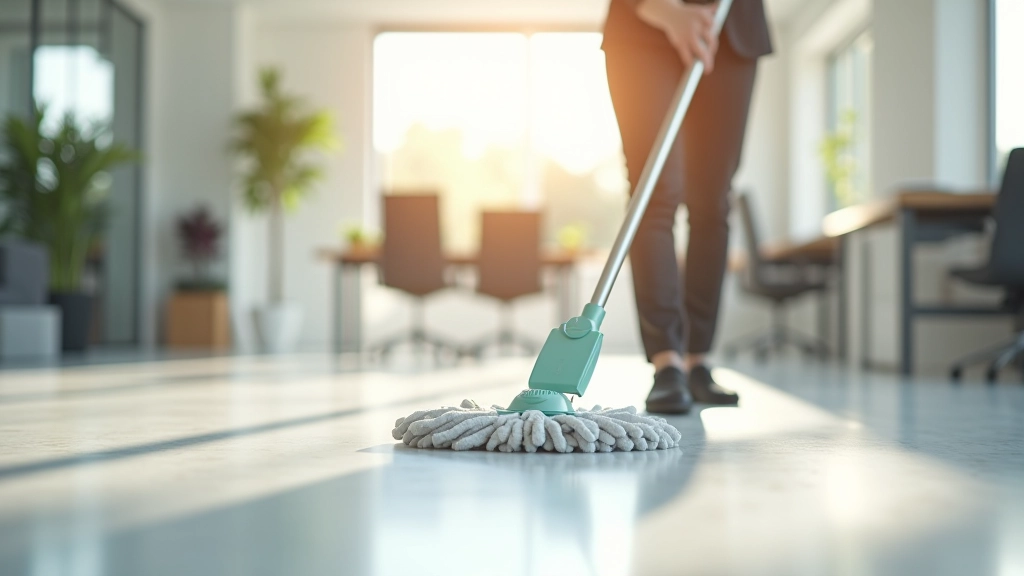
The shift isn't about feeling good. It's about hard numbers. Microfiber technology alone reduces water consumption by 80-90% compared to traditional mop-and-bucket systems. That's not just better for the environment — that's better for your bottom line. Your staff also spend less time wringing out mops and more time on actual cleaning.
We've worked with facilities across Cork and beyond. The ones who've made the switch report lower labor costs, fewer chemical-related incidents, and equipment that lasts longer. It's the rare upgrade that pays for itself.
The Core Technologies That Deliver
Three main systems dominate the sustainable cleaning space right now. Each has different strengths depending on your facility size and type.
Microfiber Technology
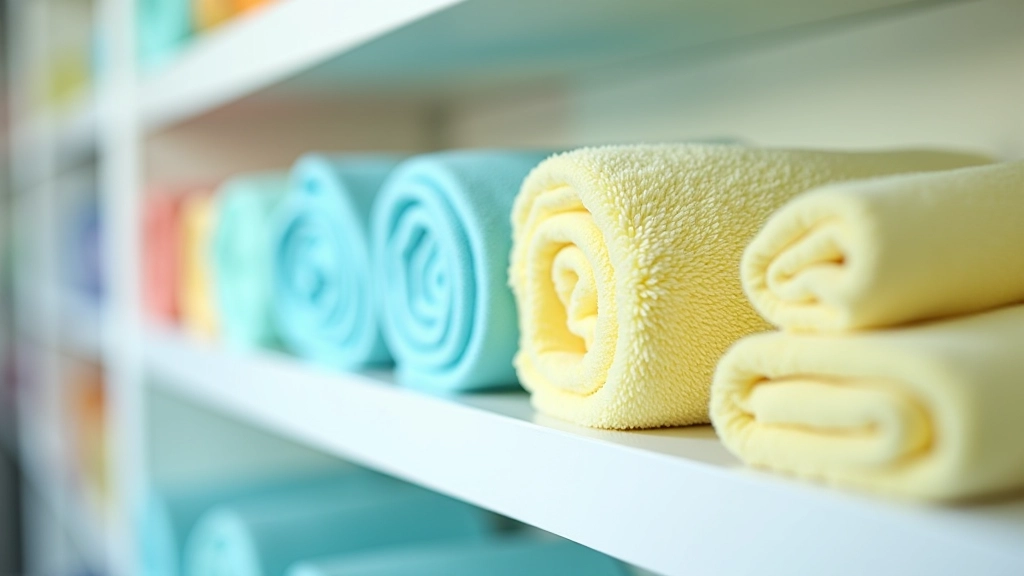
Microfiber captures dirt and bacteria without chemicals. It works through friction and absorbency. You're not spraying toxic solutions that need rinsing — you're physically removing contaminants. Most facilities see a 40-60% reduction in chemical use within the first month.
Water-Based Enzymatic Systems
These use naturally-derived enzymes instead of harsh alkaline or acidic chemicals. They break down organic matter (oils, grease, protein residues) without chlorine, ammonia, or phosphates. Staff appreciate them too — no harsh fumes, no respiratory irritation. You're looking at 60-70% cost reduction on chemical supplies.
Electrostatic Disinfection
This technology charges disinfectant particles so they wrap around surfaces, even hard-to-reach areas. It uses less liquid than traditional spray methods and covers more ground faster. Healthcare facilities and food-prep areas find this particularly valuable.
The Real Cost Comparison
Chemical costs typically represent 15-25% of your total cleaning budget. When you cut chemical use by 50-70%, you're looking at meaningful savings. A mid-size facility (10,000-20,000 sq ft) usually recoups equipment investment within 18-24 months. After that, it's pure margin improvement.
Implementation: Making the Transition Smooth
The biggest mistake facilities make? Switching everything at once. You don't want to discover halfway through the month that your team can't adapt to new equipment. The smart approach is staged rollout.
Start with one area or shift. Let your team get comfortable with the new system. Document what works, what needs adjustment. Most teams need 2-3 weeks to develop real proficiency. After that, they're faster and more efficient than with traditional methods.
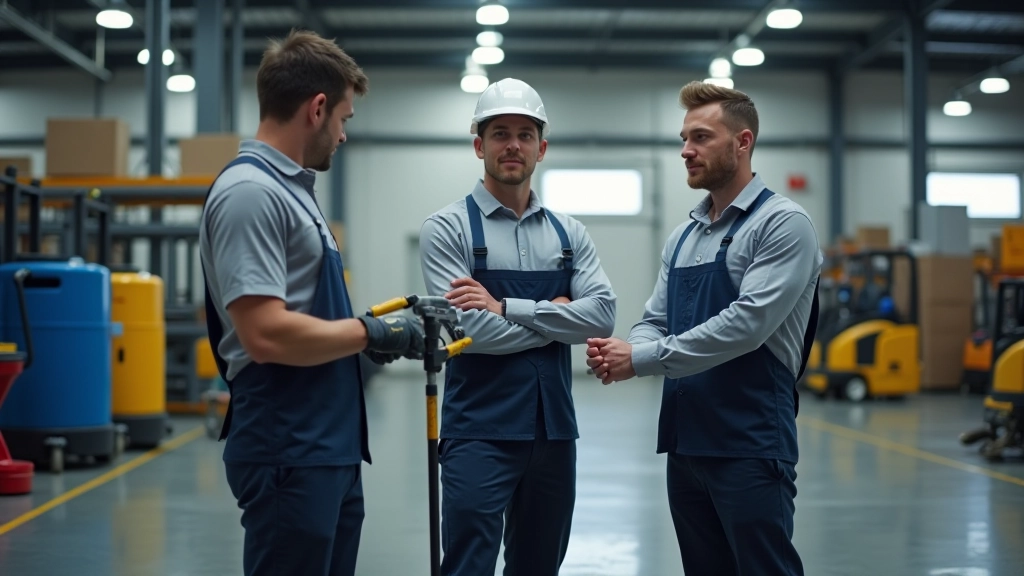
You'll also want training. Don't underestimate this. Microfiber cloths need different care than cotton mops. Enzymatic cleaners work best with specific contact times. Electrostatic equipment has safety protocols. Proper training means you actually get the results the equipment promises.
Supply Chain Considerations
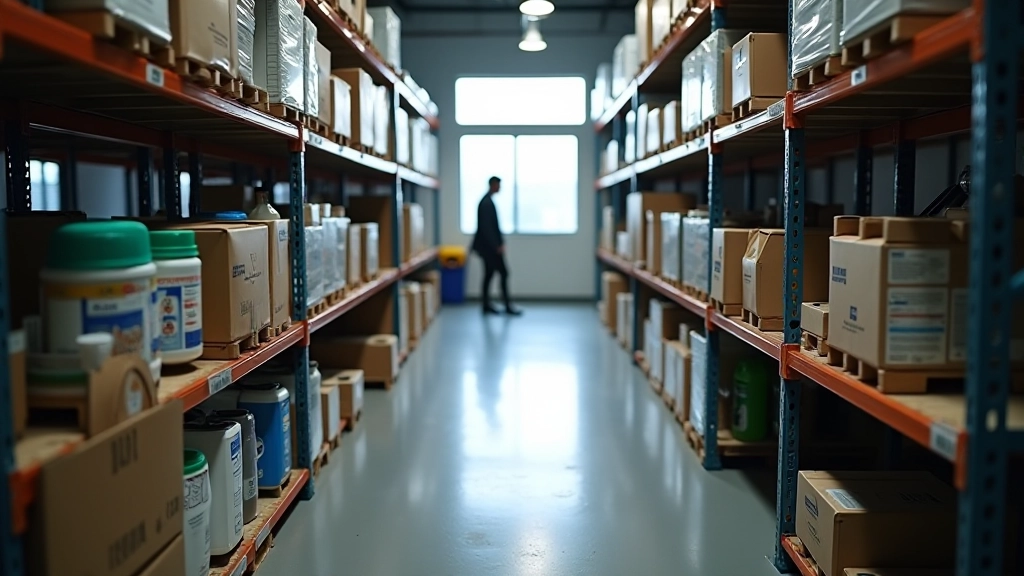
One overlooked aspect: where you source your supplies. Some "eco-friendly" products are greenwashing — they're marketed as sustainable but don't actually deliver. Look for third-party certifications like EcoLogo, Green Seal, or EU Ecolabel.
You'll also want reliable suppliers. Don't chase the cheapest microfiber cloths — quality matters enormously. Cheap microfiber loses its effectiveness after 50-75 washes. Quality microfiber lasts 300+ washes. The per-use cost is dramatically different.
Build relationships with suppliers who understand facility operations. They can help you forecast consumption, optimize inventory, and adapt as your facility's needs change. This isn't just about purchasing — it's about partnership.
Moving Forward
Eco-friendly cleaning systems have moved beyond niche adoption. They're now the practical choice for facilities that want better results at lower cost. The technology is mature, the supply chain is established, and the ROI is clear.
Start with a realistic assessment of your current spending and pain points. Are chemical costs high? Is staff turnover affecting consistency? Are you managing disposal costs? Once you've identified what matters most to your operation, the right sustainable system becomes obvious.
The transition takes some planning and training, but it's not complicated. Most facilities that've made the switch report they wish they'd done it sooner. That's worth paying attention to.
Information Disclaimer
This article provides educational information about sustainable cleaning systems and equipment. It's not a recommendation for any specific product or supplier. Facility managers should evaluate options based on their own operational needs, budget, and facility type. Costs, equipment availability, and performance may vary by region and supplier. Always verify certifications and performance claims with manufacturers before purchasing.